This article contains affiliate links. We may earn a commission.
You want to carry less without giving up everyday essentials. An Everyday Carry Set brings together a compact wallet and just-right accessories so your ID, a few cards, a little cash, and a small extra like lip balm stay together and easy to reach. The question is which format will feel natural in your pocket or on your wrist: a slim leather cardholder, a zip-around wallet with a small compartment, or an ultra-minimal elastic card sleeve?
This guide compares three coordinated options from threadwallets, using verified product details and real-world implications so you can pick the version that matches how you actually carry.
Why consider Thread Wallets sets for everyday carry
If you’re moving from a bulky billfold or an overstuffed bag to something lighter, a compact bundle can make the transition easy. Rather than piecing together a wallet, a key attachment, and a lip balm sleeve from different sources, threadwallets curates coordinated sets built around three wallet types. The company’s homepage highlights Everyday Carry Set options across its range, signaling that these bundles are part of the core lineup rather than an afterthought.
The value is simple: one small system that keeps your must‑carry items in the same place, whether you slip a cardholder in your front pocket, clip it to a lanyard, or move it between a gym bag and a tote. You choose the storage style first—open card pockets, a zip enclosure, or an elastic sleeve—and then add the matching accessories.
Slim carry with practical extras is the throughline. Going minimalist reduces bulk and simplifies your routine, but it also asks you to be deliberate about what comes with you. A compact wallet set won’t replace a full organizer. Instead, it trims your load to the items you reach for most, while the coordinated keychain and holder help those small essentials follow your wallet wherever you take it.
One consistent system: wallet, keychain, and holder
The standout advantage of these bundles is consistency: the wallet and accessories are sized, attached, and styled to work as one. That means fewer loose bits to misplace, and a predictable way to move your everyday items from pants to jacket to bag.
Wallet, keychain, and holder work together to make a compact system feel larger in capability than its size suggests. Below are the verified components and the practical ways they combine, so you can judge whether that coherence matters for your routine.
What each set includes
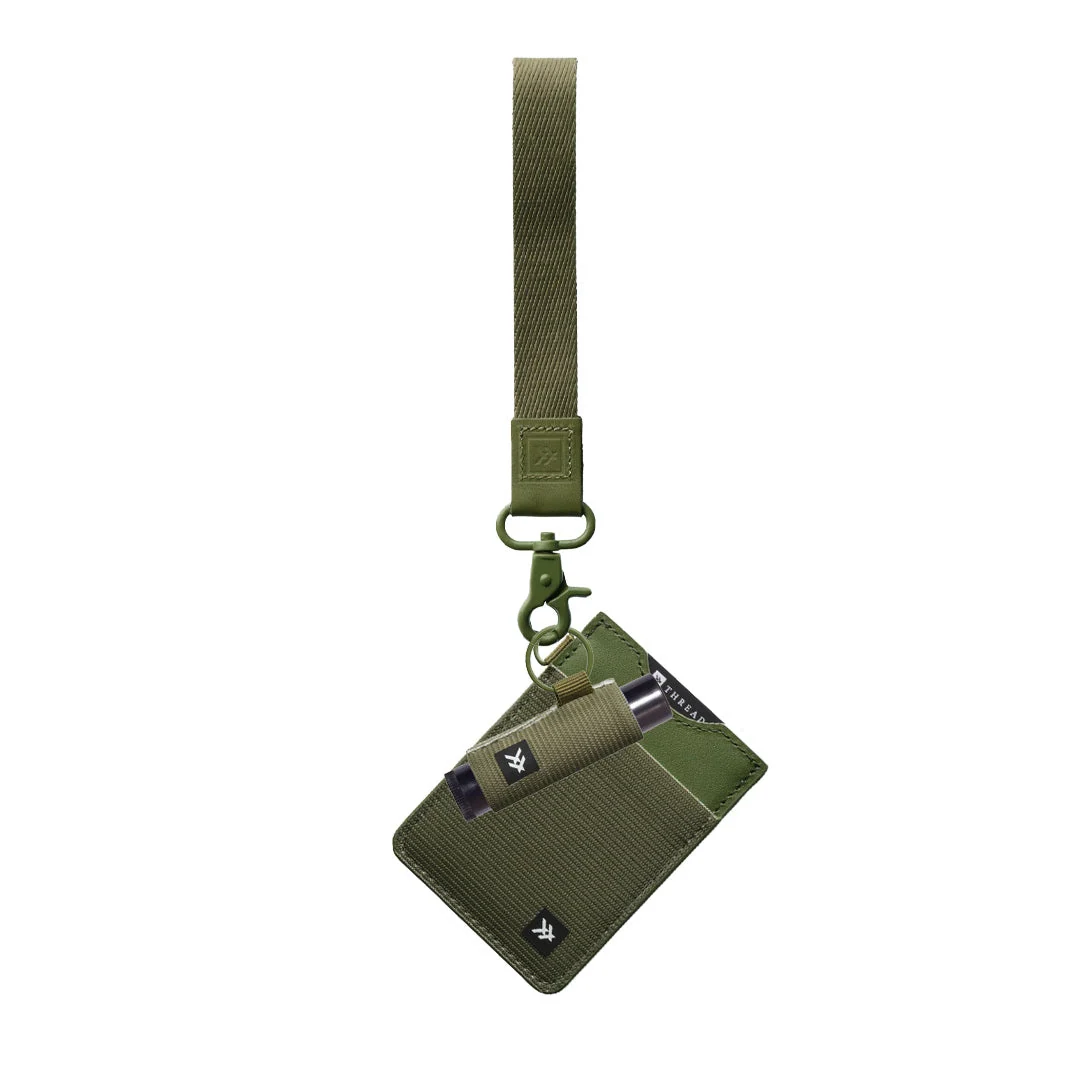
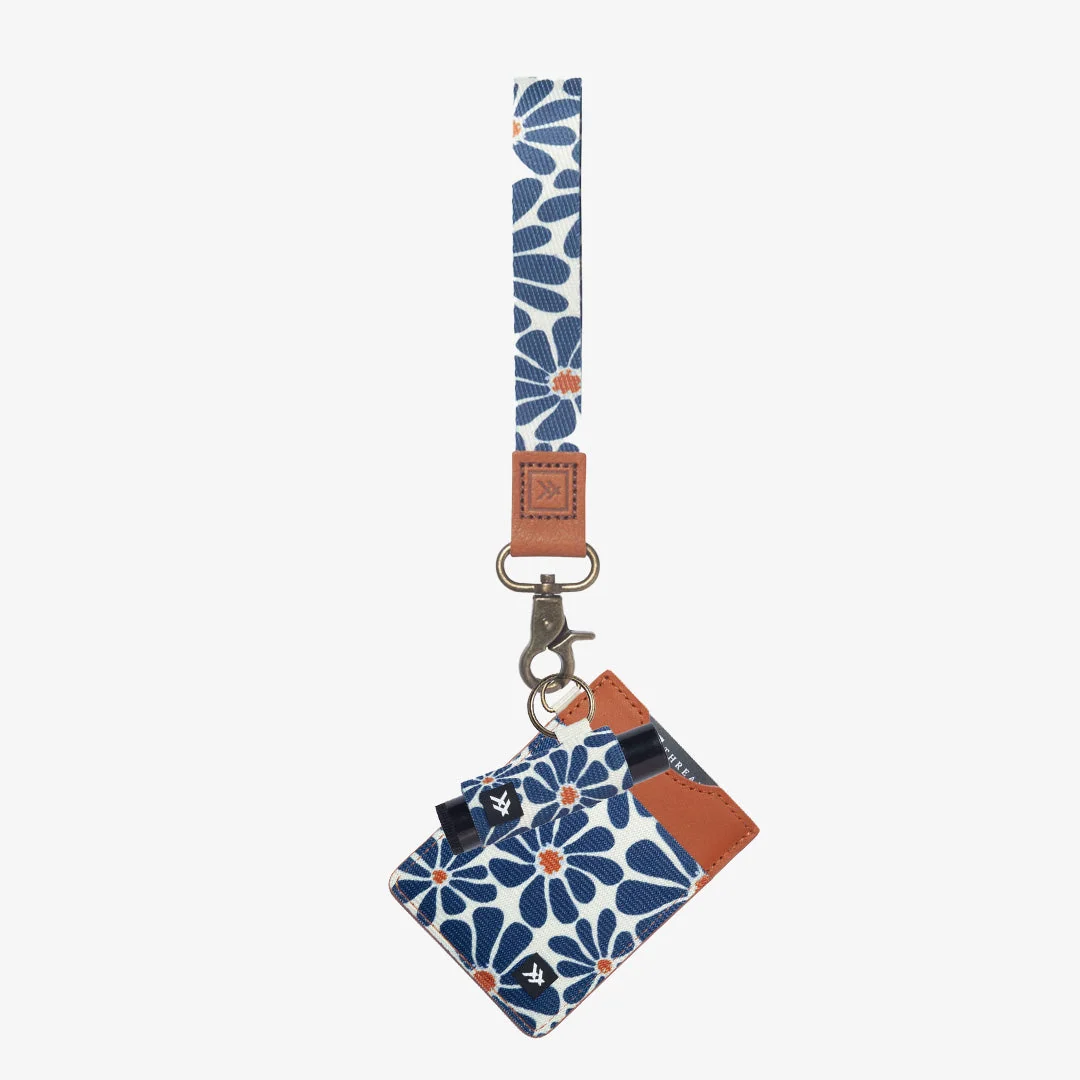
Each set centers on a wallet and pairs it with two accessories. For the leather zip style, the product page lists the Leather Zip Wallet plus a Chapstick Holder Keychain and a Wristlet Keychain; the elastic set lists the same accessory pairing.
The Vertical Leather Wallet set features a slim leather cardholder. The vertical cardholder is specified to hold 2–8 cards or cash, includes an RFID‑secure pocket, is made of genuine leather, and adds a built‑in metal D‑ring for attachments; the page also notes that its elastic component contains latex.
The Leather Zip Wallet – Everyday Carry Set lists genuine leather construction, RFID‑secure card slots, six card slots (two outside, four inside), interior storage secured by a branded zipper, and a 0.75‑inch keyring. The Elastic Wallet set specifies a tight‑knit elastic sleeve that holds 2–8 cards/cash with a built‑in keyring.
Across the sets, the Chapstick Holder Keychain uses tightly woven elastic with a keyring, and the Wristlet Keychain is described with a polyester strap, a genuine leather loop, and quality hardware. That common approach explains why the bundle pages describe the pieces as designed to work together.
RFID-secure pocket or slots listed lets you decide how much structure you want. If you prefer a designated RFID‑secure card slot layout, the zip wallet leans structured; if you prefer a single RFID‑secure pocket inside a slimmer cardholder, the vertical leather model fits that brief; the elastic sleeve prioritizes minimal bulk over rigid slot organization.
How the pieces work together
Functionally, the three pieces create a small, movable kit. The wristlet makes quick trips—dog walks, coffee runs—easier when you don’t want to carry a bag or fill a pocket. The chapstick holder prevents an easy‑to‑lose item from living loose in a pocket or at the bottom of a tote. The wallet’s attachment point—D‑ring on the leather cardholder or built‑in keyring on the zip and elastic designs—keeps everything tethered.
The tradeoff is straightforward: add‑ons boost convenience, but if you never use a wristlet or a lip balm sleeve, you’re carrying components you don’t need. That’s why the wallet form factor should lead your decision; the accessories simply follow your choice. If you decide the vertical cardholder is the right core, for instance, you can still attach the holder or wristlet only when the day calls for it.
Choose an Everyday Carry Set
All three options aim at minimalism, but they feel different in the hand and pocket. Start with how you reach for cards and cash, then add your preference for open access versus enclosed storage. Pick the set that matches your carry, not the other way around.
Vertical Leather Wallet set at a glance
If you want a front‑pocket cardholder with a touch of structure, the Vertical Leather Wallet set is the classic choice. It’s specified to hold 2–8 cards/cash, includes an RFID‑secure pocket, and adds a built‑in D‑ring so you can clip to a lanyard or wristlet. Reviews summaries on the product page highlight attractive designs, compact size, and quality stitching, while noting two practical realities: many users report multi‑year durability, and some find cards a bit tight to remove at first. If you routinely grab one or two primary cards, this slim layout keeps them accessible without a zipper step.
Tradeoff: the vertical format preserves thinness by avoiding a zip compartment. If you collect coins or carry loose folded bills, you’ll need to use an outer pocket or consider the zip model below.
Leather Zip Wallet set at a glance
Prefer a compact enclosure that corrals small items? The Leather Zip Wallet – Everyday Carry Set builds in structure: six card slots (two outside, four inside), RFID‑secure card slots, and interior storage secured by a branded zipper, plus a 0.75‑inch keyring. Reviews summaries praise its compact size and stylish look and call out the secure zipper—useful when you want coins, a key, or folded cash contained. Feedback also mentions it doesn’t open fully and can feel smaller than expected, which affects how quickly you can access interior cards. If your priority is keeping small loose items locked down, the trade for a slightly slower card grab may be acceptable.
Zip storage for coins and cash is the defining benefit here; choose it if you truly use that space most days.
Elastic Wallet set at a glance
If you want the smallest possible footprint, the Elastic Wallet set keeps it simple: a tight‑knit elastic sleeve that holds 2–8 cards/cash with a built‑in keyring, plus the matching chapstick holder and wristlet. Product‑page review summaries call the wallet cute and compact, with strong elastic that holds multiple cards securely. They also note two tradeoffs: some interior material can add slight bulk, and a few users find card removal tight. If your loadout is a core ID and two cards—with cash only occasionally—the elastic sleeve disappears in a pocket and makes a great gym or travel companion.
Because the elastic isn’t rigid like leather slots, think of this as the most adaptable fit for varying card counts, but not the most organized if you want defined positions for each card.
Features that shape daily use
Beyond wallet format, small specifications change day‑to‑day ease. If you attach your wallet to a lanyard or keys, the vertical leather model’s Built-in D-ring for attachments is a meaningful difference; you can hook it to a clip, a keyring, or the wristlet. The leather zip and elastic designs instead integrate a built‑in keyring, so you can connect the same way without a separate ring on the wallet body.
Security features are explicitly listed where they apply. The vertical leather model includes an RFID‑secure pocket, while the leather zip wallet specifies RFID‑secure card slots. That sounds similar, but the practical effect differs: with the zip wallet, the protected slots guide which cards go where; with the vertical cardholder, you decide which pocket gets the RFID‑secure role. If RFID shielding matters to you, look for that language in the wallet you select, because it’s not universal across all styles.
Size also plays a role in whether a wallet disappears in a pocket. As a reference point, the Forest Critters version of the zip wallet lists dimensions of 4.3 × 3 × 0.75 inches; that’s compact enough for front‑pocket carry but thick enough to accommodate a few small items inside the zipper pocket. If you wear slimmer pants or already carry a phone in the same pocket, that extra thickness may nudge you toward the vertical cardholder or the elastic sleeve.
Materials signal care considerations too. Both the wallet sleeves and the chapstick holder rely on durable elastic in places; the product pages specify that elastic components contain latex. If you’re sensitive to latex, factor that into which components you plan to use most often, and consider how you carry to minimize prolonged skin contact. Latex in elastic components is a clear product note, not a guess.
Durability, warranty, and care constraints
Shoppers often wonder whether a minimalist setup will wear out quickly. The brand’s warranty stance and aggregated review notes help set expectations. Thread® states a limited lifetime warranty across orders with replacement eligibility for defective items. The same pages explain what isn’t covered: products stretched from over‑stuffing, water damage, and normal day‑to‑day wear and tear don’t qualify for replacement.
Those boundaries align with typical use. If you stuff ten cards into a sleeve rated for fewer, the elastic may loosen faster; that’s considered misuse. If you routinely soak a leather wallet, water spots and stiffness are ordinary wear. On the other hand, if stitching fails prematurely or a zipper track misaligns under normal use, that’s the kind of defect a warranty is meant to address.
Review summaries on the wallet pages frequently mention durable stitching and multi‑year use, with predictable caveats that some elastic can feel tight at first and may relax over time. For most people, the practical takeaway is simple: keep your card count within the stated range, avoid over‑stuffing cash or coins, and don’t treat the set like a waterproof organizer. That routine respects the materials and stays within the warranty’s intent. For emphasis, the product pages reiterate two boundaries: Warranty excludes normal wear and tear and Overstuffing voids replacement eligibility.
Style picks and next steps
Once you’ve chosen a wallet format, style is the fun part. The brand rotates expressive colors and prints across bundles and individual wallets, so you can match a pattern to the wristlet and holder. A concrete example is the Forest Critters version of the Leather Zip Wallet, which shows the exact zip layout and lists its dimensions. Pairing a pattern to a known form factor avoids surprises about pocket fit or access.
Before you filter by color, pause and check capacity and access style one more time. The sets don’t change capacity by print; they change how you use them. If your daily routine calls for coins or a locker key, a zipper compartment earns its place. If you just tap a transit card and carry an ID, a vertical cardholder or elastic sleeve keeps things feather‑weight. Check card capacity before choosing—and only then move on to looks.
Next step: open a new tab to visit threadwallets, pick the wallet type that matches how you carry, and then browse patterns—Explore patterns like Forest Critters or a neutral leather—knowing you’ve already matched the form to your needs. If the destination page presents broader categories, use the site’s Wallets and Bundle sections to locate the Everyday Carry Set you’ve decided on.