


This article contains affiliate links. We may earn a commission.
You’re sketching a weekend by the sea: maybe a quiet sail to a swim stop, perhaps a fast hop to a sandbar. The sticking points are practical—what boat type fits the plan, whether you need a licence, and how booking, deposits and extras actually work. If you’re weighing a Samboat boat rental, this guide uses Samboat’s own information to turn those questions into a confident shortlist you can book.
Start with your trip: day on the water or a week afloat?
Decide trip length before picking a boat. A day on the water pushes you toward simple setups and easy boarding; a week afloat emphasises cabins, storage and systems you can live with. From there, capacity, dates and whether you want a captain shape what you’ll actually see in search. Samboat’s marketplace spans many destinations—Greece, Croatia, Mallorca, Sardinia, Turkey and more—and a broad set of boat categories, which is why deliberate filtering matters from the start.
On the platform, you can browse motorboats, sailboats, RIBs, catamarans, canal boats, luxury yachts and jet skis. That breadth is useful because each category answers a different trip shape. A couple planning a quiet sail and swim may filter for smaller sailboats; a family of six aiming for comfort and stability might look at catamarans; friends who want a fast coastal hop could prefer motorboats; divers or shore‑hoppers often reach for RIBs.
Filter by capacity and dates early so availability and pricing reflect your real plan. For many sailing and catamaran charters, weekly calendars (often Saturday-to-Saturday) affect what appears in results; for day trips, the mix of captain-optional and captain‑mandatory listings will shift by location.
Why consider Samboat boat rental
The case for starting on Samboat rests on breadth and structure. The site states more than 50,000 boats worldwide and organises searches by type and destination, so you can move from a general idea to a specific shortlist quickly. Community scale is visible as you browse, and listing pages carry recent reviews that help set expectations.
Under the hood, the platform highlights Quality control of listings, a Verified third party securing payments and security deposits, and Customer care available seven days a week. In practice, that combination helps you compare options and book with a clear process for money, messages and handover. It doesn’t replace reading each listing carefully, but it gives a common frame across very different owners and fleets.
Check listing detail and recent reviews to confirm what’s included, any captain requirements and the deposit rules for that specific boat. When you’re ready to scan real options, visit Samboat and start filtering by your dates, group size and preferred boat type. Customer care is available seven days if you need help during the search.
How booking and pricing work
Samboat’s booking flow keeps the sequence straightforward: search by destination, boat type, dates, passenger count and whether you want a captain; select a boat; request or confirm a booking; and message the owner for logistics. That structure lets you compare like‑for‑like across owners and fleets, then move into specifics such as meeting points, embarkation times and what to bring.
Prices are set by owners and vary with type, size, season and location. The site’s own examples place day motorboats around €300 per day (fuel extra), and note weekly sailboat patterns—on average about €2,400 for a monohull and €4,300 for a catamaran. If you add a captain, expect a line item around €200 per day in many destinations. Fuel, port or mooring fees, and optional extras (from paddleboards to snorkel sets) are commonly additional. Fuel is often extra, so factor the route and sea state into your estimate.
Security deposits are common in boat charters. On Samboat, the owner sets the amount and its management—some hold the deposit directly; others use Samboat’s process. The deposit typically covers damage or the insurance excess, and it’s returned after post‑charter checks if no issue is found. Optional cancellation and deposit insurance products are visible during booking if you want to cushion those risks. Deposits are owner-set, so read each listing’s terms and ask for clarity before paying.
Once you understand the price drivers, browse the live listings that match your plan. The category pages—such as Sailboat rental with or without license or Catamaran rental with or without license—surface boats by type, and each listing shows what’s included, what’s extra and whether a captain is optional. Skipper fees add per day, so confirm that figure alongside fuel and port notes.
Licences, captains and eligibility
Whether you can skipper the boat yourself depends on the country and the boat. If you don’t hold a licence, the simplest route is to rent with a captain through Samboat. For motorboats without a captain, a licence is required in most destinations. For sailboats, rules vary: in some countries you need a licence; in others—France is a common example—you don’t need one, but owners will expect proof of significant experience via a Nautical CV before accepting a bareboat charter.
Catamaran rules follow the same pattern with local specifics. In France, a licence may not be required for a sailing catamaran if you can demonstrate the right experience; in countries such as Croatia, you’ll need a licence and a VHF certificate for bareboat. If your experience or paperwork doesn’t fit the boat or destination, adding a captain is the clean way to expand where you can go and reduce risk while you still enjoy the itinerary. Rules vary by country, and Experience may be required even where licences aren’t.
Think about what you want from the day, too. A captained day takes navigation off your plate and often includes local swim stops and sheltered anchorages—exactly the kind of moments that make a family day easy. Bareboat gives autonomy and quiet sailing, but places the safety and seamanship decisions with you. Use the captain filter on Samboat to see both options in the same location and pick the fit for your experience.
Match the boat to your plan
Different boats solve different days. Use the list below to tie real distinctions to your plan, then apply those filters on Samboat.
- Catamaran rental with or without license: Two hulls give deck and cabin space, with a shallow draft for coves and sandbars. The site’s guidance puts typical weeks between €1,600 and €8,000, and notes daily options around €600 depending on season and destination. Think catamarans for family comfort, stable decks and social space. Stability vs. speed vs. space is the trade: they’re roomier but often pricier than monohulls. Shallow draft helps anchorages in lagoon‑like spots.
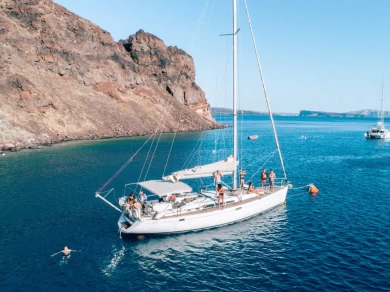
- Sailboat rental with or without license: Ideal for quiet passages under sail and classic weekly formats. Licence rules differ by country; in places like France, owners look for a strong Nautical CV when no licence is required. Weekly scheduling (often Saturday start) is common, and many listings let you add a captain if you want the learning without the responsibility.
- Motorboat rental with or without license: Best for fast coastal hops, beach clubs and restaurant stops. Fuel consumption and sea state drive costs beyond the day rate. In some locales, low‑power boats or canal boats can be rented without a licence; otherwise, a licence or a captain is typical. For families, a small cabin or bimini can make a day more comfortable.
- RIB rental with or without license: Lightweight, stable and easy to handle for snorkelling runs, towing a wakeboard or getting to a sandbar. They’re often value‑friendly and simple to operate, but offer less shelter than cabin boats and can feel lively in choppier seas. Many brands you’ll recognise—such as Zodiac—appear in listings with clear capacity and engine notes.
A worked example: two ways to book with Samboat
Here are two hypothetical setups to make the filters tangible—use them as a pattern rather than a prescription, then apply your dates and group size to live listings on Samboat.
Example 1: A family day in Malta. Start with catamarans to maximise deck space, then filter by capacity and captain included if nobody wants to skipper. Read each listing’s inclusions (snorkel gear, soft drinks, fuel policy). If the itinerary mentions a standard route and set time windows, that’s normal for day charters—message the owner about departure time flexibility or a special swim stop if it’s important. Confirm inclusions before booking to avoid surprises.
Example 2: A Greek day sail near Santorini. Many sailboat listings show captain‑mandatory tours with fixed routes and catering options; those give relaxed sightseeing without the helm work. If you plan a bareboat week elsewhere in Greece, collect your licence and experience documents in a Nautical CV and check whether a VHF certificate is needed for that region. If your documents don’t fit the local rule, switch to a captained charter to keep the plan intact. Capacity and captain filter matter because they change both availability and price.
Once your shortlist is clear, visit Samboat, apply those filters and message owners about any make‑or‑break detail—fuel policy, deposit handling, and meeting points—before you pay.
Safeguards, deposits and responsible boating
The strongest objection to any marketplace is trust: what protects your money and your trip if something goes wrong? Samboat’s own pages emphasise Quality control of listings, a Verified third party to secure payments and security deposits, and a Customer care team available seven days a week. Those safeguards reduce risk by giving consistent processes for payment and support across varied owners and fleets, while still leaving you to choose a well‑reviewed boat that suits your plan. Optional insurance is available.
Deposits protect against damage. Deposits are part of that structure. The owner sets the amount and how it’s managed, and the deposit typically covers damage or the insurance excess. Optional cancellation and deposit insurance are visible during checkout if you prefer added protection. Read each listing’s deposit and handover notes closely, and keep messages on the platform so there’s a clear record.
Finally, boating responsibly makes destinations better for everyone. Samboat encourages ocean‑friendly habits and offers an optional donation channel to Fondation de la Mer that supports marine biodiversity projects. Responsible anchoring, sensible speed near swimmers and leaving coves cleaner than you found them all add up—and make the next trip as good as your own.